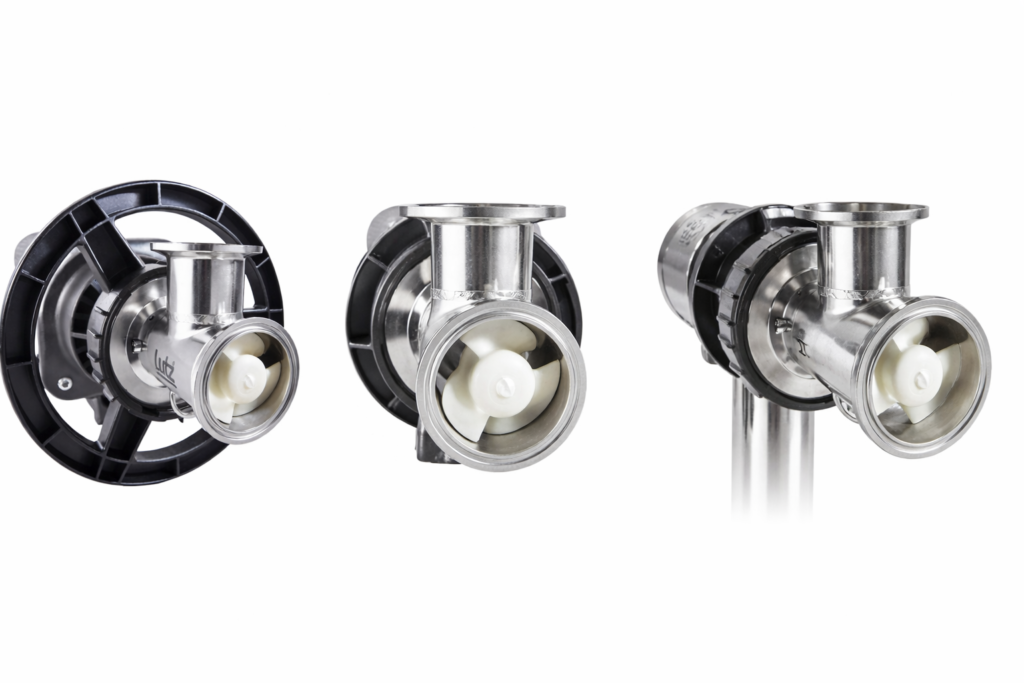

Fluid handling costs often remain hidden until inefficiencies begin affecting production, safety, and maintenance budgets. Manual transfer methods or poorly matched equipment can lead to product loss, inconsistent flow, and higher labour demands.
A properly selected drum pump supports controlled liquid transfer from barrels and totes. It helps maintain process consistency, reduces waste, and improves handling efficiency across industrial environments.
Why Fluid Transfer Efficiency Affects Operational Costs
Small inefficiencies in liquid transfer often lead to larger operational expenses. The transfer is not only about moving liquid from one container to another. It directly affects:
- Product recovery rates
- Labour time per operation
- Equipment lifespan
- Workplace safety conditions
- Environmental compliance
Even minor inconsistencies in flow or handling can increase costs over time. Drum pumps help standardize transfer processes and reduce variability.
1. Reduced Product Loss During Liquid Transfer
Manual pouring or inconsistent pumping methods often leave residual liquid in containers. This results in avoidable product loss, especially when handling high-value chemicals or fluids.
Drum pumps improve transfer accuracy by:
- Maintaining consistent suction from barrels and totes
- Reducing spillage during handling
- Allowing controlled dispensing rates
This level of control helps recover more usable product and reduces the need for frequent replenishment.
2. Lower Labour Costs Through Faster Fluid Handling
Manual transfer methods require more time and physical involvement. This increases labour costs and slows operations, especially in facilities with frequent liquid-handling tasks.
Drum pumps support faster operations by:
- Delivering a steady and continuous flow
- Reducing manual lifting and pouring
- Simplifying repetitive transfer tasks
Faster handling allows teams to complete operations more efficiently while reducing physical strain.
3. Reduced Equipment Wear in Downstream Systems
Inconsistent fluid transfer can introduce air pockets, uneven flow, or pressure fluctuations. These issues can affect downstream equipment such as metering systems, pipelines, and processing units.
Drum and tote pumps help maintain system stability by:
- Delivering uniform flow rates
- Reducing sudden surges or interruptions
- Supporting smoother integration with connected equipment
This consistency helps reduce wear on seals, valves, and other components, lowering maintenance requirements over time.
4. Lower Safety and Compliance Costs
Handling industrial liquids without proper equipment can increase the risk of spills, splashes, and operator exposure. This may lead to safety incidents and compliance concerns.
Drum pumps improve safety by:
- Minimizing direct contact with liquids
- Reducing spill potential during transfer
- Supporting enclosed or controlled transfer processes
Improved handling practices help reduce workplace incidents and support regulatory compliance.
5. Reduced Cleanup and Environmental Control Expenses
Spills and leaks often require additional cleanup, absorbent materials, and waste disposal. These activities add to operational costs and increase downtime.
Drum pumps help limit these issues by:
- Providing controlled and precise liquid movement
- Reducing accidental overflow or leakage
- Supporting cleaner transfer environments
Cleaner operations reduce the need for frequent cleanup and help maintain a more organized workspace.
Improving Fluid Handling Efficiency with Drum Pumps
Drum pumps play a key role in improving the flow of liquids within industrial systems. By supporting controlled flow, reducing waste, and improving safety, they contribute to measurable cost savings across operations.
Facilities that prioritize efficient fluid handling often see improvements in productivity, maintenance planning, and overall system reliability.
For businesses evaluating fluid transfer solutions, reviewing available drum pump options can support more efficient operations. Contact Vissers Sales Corp. to learn more about chemical drum pumps.