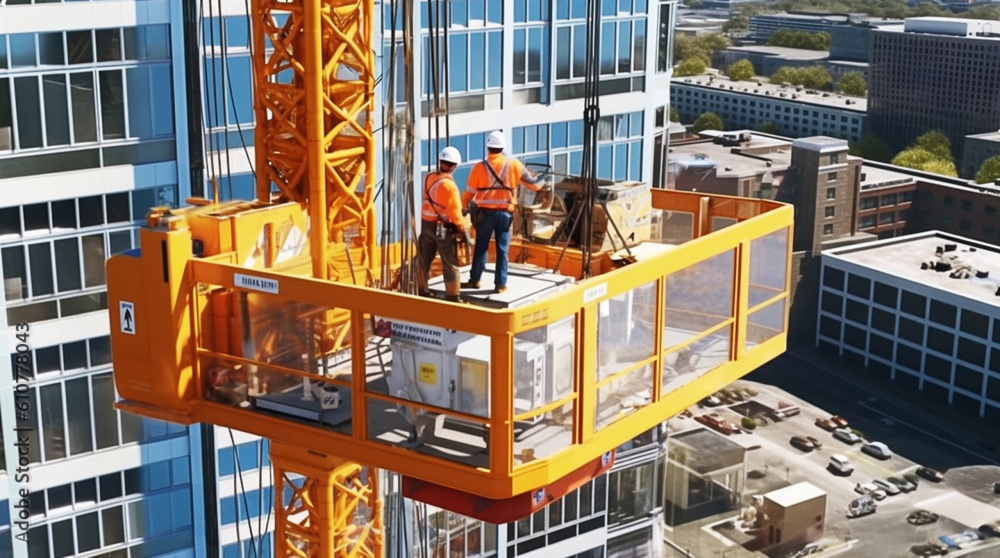

Construction sites operate under constant pressure, where safety systems must perform without failure. Even a well-installed elevator hoist can become a liability when hidden safety gaps go unnoticed. These gaps rarely appear during early inspections but tend to surface under peak load and high-demand conditions, when the impact is most severe.
As projects scale in height and complexity, reliance on vertical transport increases. A buck hoist system lacking proper safeguards can pose risks that extend beyond safety, affecting timelines, compliance, and financial stability. Identifying these gaps early is critical to preventing disruption.
Why Hidden Safety Gaps in Buck Hoists Are Often Overlooked
Safety gaps in a buck hoist system are often not visible during routine operations. Early-stage performance may appear stable, masking underlying issues. As load demands increase, these hidden weaknesses begin to affect reliability. Without proactive evaluation, minor deficiencies can escalate into major safety and operational concerns.
1. Inadequate Load Control and Overloading Risks
Load control is a fundamental requirement for any elevator hoist system. When load limits are not clearly monitored or enforced, overloading becomes a frequent risk. This places strain on structural components and increases the likelihood of mechanical failure. Overloading also accelerates wear, reducing system lifespan and reliability.
2. Missing or Faulty Safety Interlocks and Emergency Systems
Safety interlocks and emergency systems ensure controlled operation during unexpected events. A buck hoist without properly functioning interlocks can operate under unsafe conditions. Faulty emergency braking or stopping mechanisms increase the risk of uncontrolled movement, creating immediate on-site hazards.
3. Improper Installation and Structural Tie-In Issues
Installation quality directly affects system stability. A poorly installed elevator hoist may experience misalignment or inadequate structural support. Weak tie-ins to the building structure can lead to instability, especially as height increases. These issues often remain undetected until the system is subjected to higher loads.
4. Lack of Routine Inspection and Maintenance Protocols
Regular inspection is essential for maintaining a safe buck hoist system. Without consistent maintenance protocols, wear and component degradation go unnoticed. Missing inspection records can also create compliance challenges during audits. Over time, this increases the risk of unexpected system failure and operational downtime.
5. Non-Compliance with Safety Standards and Certification Requirements
Compliance with safety standards is mandatory for all elevator hoist systems. Non-compliant equipment may fail regulatory inspections, leading to shutdowns or penalties. Certification ensures that systems meet required performance and safety benchmarks. Operating without compliance increases both legal and financial exposure.
6. Insufficient Operator Training and Site Coordination
Operator training plays a critical role in safe system use. A buck hoist operated without proper training increases the risk of misuse, overloading, and unsafe handling. Poor coordination between site teams can also lead to operational errors. These factors contribute to accidents and disrupt workflow across the project.
Addressing Safety Gaps Early Prevents Delays and Liability
Hidden safety gaps do not remain isolated. They escalate into incidents, delays, and compliance failures that impact the entire project. UCEL Inc. provides engineered hoist solutions designed to meet safety and regulatory requirements from installation through operation. Addressing risks early ensures stable performance under demanding conditions.
Avoid exposure to preventable hazards. Partner with UCEL Inc. to implement reliable systems that protect operations and maintain compliance with a dependable buck hoist elevator solution.