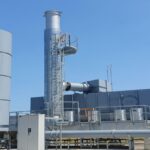

In industrial and commercial facilities, ceilings and roofs are often overlooked until a problem appears. Yet these surfaces serve as the first line of defense against corrosion, heat gain, moisture intrusion, and long-term structural wear. Industrial ceiling and roof paint jobs are not cosmetic upgrades—they are protective systems that support building performance, safety, and lifecycle planning.
When done correctly, steel roof painting delivers measurable operational value. This blog discusses why these projects are more than aesthetic upgrades.
Roofs and Ceilings as First Lines of Defense
Industrial roofs and ceilings are constantly exposed to environmental stress. Exterior roofs are exposed to temperature swings, UV exposure, precipitation, and airborne contaminants. Interior ceilings must manage dust, lighting efficiency, and fire performance. Paint systems applied to these surfaces help regulate how buildings respond to these pressures over time.
Rather than treating them as secondary surfaces, many facility managers now prioritize ceiling and roof coatings as part of preventive maintenance strategies.
Why Metal Roof Painting Prevents Long-Term Rust and Leaks
Unprotected or aging metal roofs are highly vulnerable to corrosion. Once rust develops, it compromises fasteners, seams, and panel integrity—often leading to leaks and costly repairs.
Metal roof painting helps slow this process by:
- Sealing exposed metal surfaces
- Reducing oxidation caused by moisture and air exposure
- Extending the service life of roof panels
In many cases, repainting delays the need for complete roof replacement while improving weather resistance.
Reflective Coatings and Heat Reduction
Thermal performance is another major reason roof painting matters. Reflective roof coatings are designed to deflect sunlight rather than absorb it, helping reduce surface temperatures.
Benefits include:
- Lower heat transfer into the building
- Reduced cooling demands in warm seasons
- Improved comfort in upper interior spaces
These coatings are especially valuable in large industrial facilities where temperature control affects both equipment and working conditions.
What Industrial Ceiling Painting Contractors Actually Handle
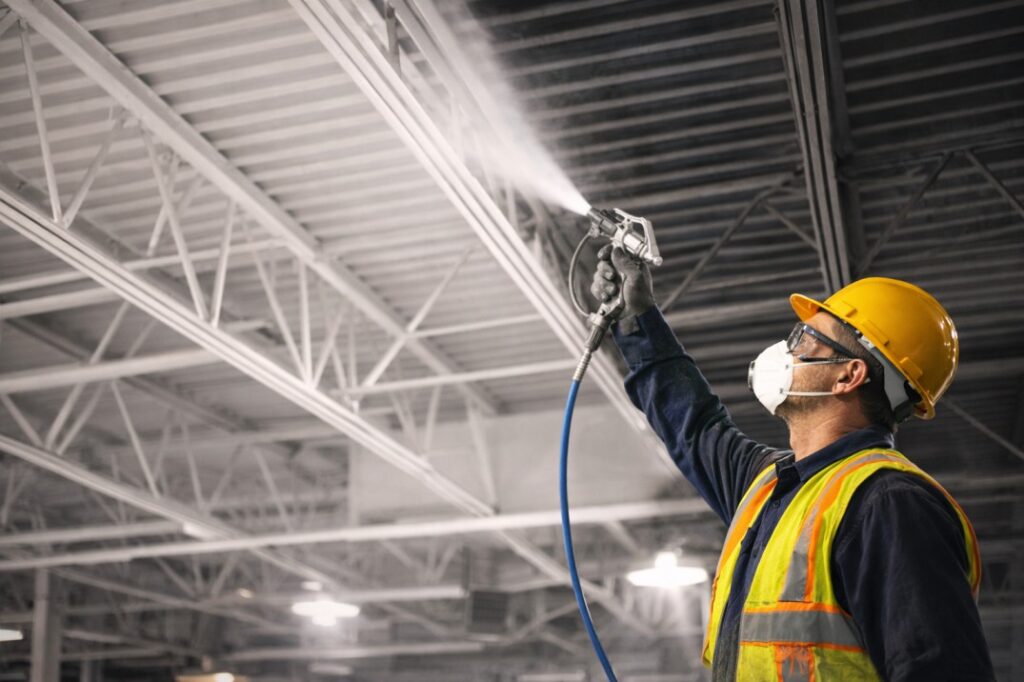
Industrial ceiling painting involves more than spraying paint overhead. Industrial ceiling painting contractors manage complex variables, including access, safety, surface preparation, and coordination with active operations.
Typical scope includes:
- Painting exposed steel decking and trusses
- Applying coatings to concrete or metal ceilings
- Working around lighting, HVAC, and fire systems
- Coordinating lifts, scaffolding, and safety controls
Proper sequencing and planning are critical to maintaining safe, efficient work environments.
Common Mistakes in High-Surface Commercial Projects
Ceiling and roof painting projects often fail due to avoidable mistakes, including:
- Inadequate surface preparation
- Using coatings not suited for overhead or metal applications
- Ignoring temperature and humidity conditions
- Poor overspray control in active facilities
These issues can lead to premature coating failure, uneven finishes, or safety concerns. Experienced contractors address these risks before work begins.
Best Coatings for Steel Roof Painting in Canadian Climates
Canadian weather places unique demands on roof coatings. Steel roof painting systems must tolerate freeze-thaw cycles, moisture exposure, and seasonal temperature extremes.
Common coating considerations include:
- Corrosion-resistant primers
- Elastomeric or protective topcoats
- Products rated for exterior metal substrates
Selecting coatings based on climate conditions helps ensure long-term performance rather than short-term appearance.
Commercial Ceiling Requirements Inside Industrial Facilities
Interior ceilings serve functional purposes beyond coverage. Commercial ceiling coatings are often selected to support:
- Light reflectivity, improving visibility, and energy efficiency
- Dust control, especially in manufacturing or warehousing
- Fire-rating compliance, depending on facility requirements
Ceiling paint choices influence safety, cleanliness, and operational efficiency—factors that directly affect daily facility use.
Interior Ceilings and Exterior Roofs Deserve Equal Attention
Roofs protect facilities from the outside in, while ceilings shape interior performance from the inside out. Treating one as more important than the other creates long-term maintenance gaps.
When planned correctly, commercial ceiling painting and roof coatings become strategic investments that protect both the structure and the operation beneath it.