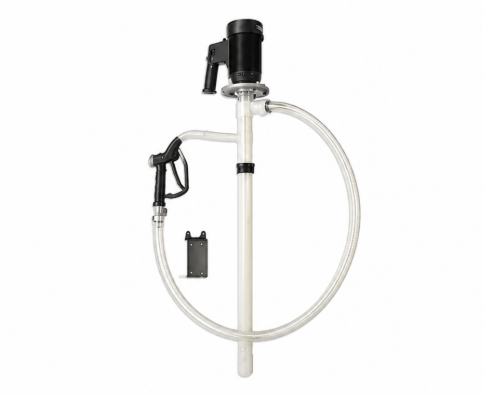

Industrial fluid transfer systems depend on controlled flow, chemical compatibility, and safe handling practices. Transfer equipment must support operational reliability while reducing unnecessary maintenance and safety risks.
Selecting the correct drum pumps for industrial fluid movement helps facilities maintain stable transfer conditions across chemical handling, manufacturing, and water treatment operations.
Understanding Electric Drum Pumps in Industrial Systems
Electric drum pumps use motor-driven operation to transfer fluids from drums, barrels, and intermediate storage containers. These systems are commonly used where facilities require continuous transfer, stable flow rates, and consistent operating performance.
Industrial operations often use electric drum pumps for:
- Oils and lubricants
- Mild chemical transfer
- Cleaning solutions
- Water-based liquids
- Industrial additives
Electric systems provide steady output and reduce manual handling requirements. They are commonly selected for repetitive transfer tasks where operators require predictable flow conditions.
Motor-driven transfer also improves operational efficiency in facilities handling moderate fluid volumes throughout the day.
Understanding Air-Operated Drum Pumps
Air-operated drum pumps use compressed air instead of electrical power. These systems are often selected for industrial environments where flammable vapours or hazardous operating conditions require additional safety considerations.
Common applications include:
- Solvent transfer
- Chemical processing
- Corrosive liquid handling
- Flammable fluid movement
- Hazardous industrial environments
Because compressed air powers the pump, these systems reduce ignition concerns in certain operating conditions. Air-operated systems also tolerate variable viscosity more effectively in certain chemical-handling applications.
Facilities operating under strict safety requirements often evaluate pneumatic transfer systems when electrical equipment introduces operational limitations.
Electric Drum Pumps vs Air-Operated Drum Pumps
Industrial facilities compare electric and air-operated systems based on operating conditions, fluid properties, and system requirements.
Power Source Requirements
Electric drum pumps require a direct electrical supply for operation. Air-operated systems depend on compressed air infrastructure.
Facilities with established compressed air systems may integrate pneumatic pumps more easily. Operations without compressed air often favour electric systems to simplify installation.
Safety Considerations
Air-operated pumps are commonly used where flammable vapours are present. Eliminating direct electrical operation can reduce operational risk in hazardous transfer environments.
Electric pumps remain effective for many industrial applications where ignition risk is not a primary concern.
Flow Consistency and Control
Electric systems generally provide smoother and more consistent flow rates during continuous transfer.
Air-operated systems may experience slight flow variations due to air-pressure stability. However, they often perform effectively when handling thicker or variable-viscosity fluids.
Maintenance Requirements
Electric drum pumps require inspection of motors, wiring, and electrical connections.
Air-operated systems require monitoring of:
- Air supply quality
- Seals and diaphragms
- Air line moisture
- Pneumatic fittings
Maintenance planning depends heavily on the operating environment and transfer frequency.
Fluid Compatibility
Material compatibility remains critical for both technologies. Wetted components must be compatible with the chemical composition, temperature range, and fluid viscosity.
Industrial facilities commonly evaluate:
- Polypropylene components
- Stainless steel construction
- Fluoropolymer materials
- Elastomer compatibility
Incorrect material selection often causes swelling, corrosion, cracking, or premature wear.
Where Tote Pumps Support Bulk Transfer Operations
While drum pumps are commonly used for standard barrels and smaller containers, tote pumps support higher-volume transfer applications.
Tote pumps are frequently integrated into:
- Intermediate bulk container systems
- Chemical batching operations
- Industrial blending systems
- Bulk liquid distribution
Facilities handling larger transfer volumes often require tote pumps to maintain operational efficiency during extended transfer cycles.
The choice between drum pumps and tote pumps usually depends on container size, transfer frequency, and system integration requirements rather than on direct performance comparisons.
Common Selection Mistakes in Industrial Fluid Transfer
Industrial transfer systems often experience avoidable problems when pump selection focuses only on flow rate.
Frequent specification issues include:
- Ignoring fluid viscosity
- Using incompatible materials
- Selecting incorrect motor configurations
- Oversizing transfer equipment
- Overlooking hazardous-area requirements
Transfer conditions should also account for:
- Chemical compatibility
- Operating temperature
- Suction conditions
- Duty cycle frequency
- Maintenance accessibility
Evaluating these factors together improves long-term reliability and reduces operational disruption.
Supporting Reliable Industrial Fluid Transfer
Reliable fluid handling systems depend on proper equipment selection, stable operating conditions, and material compatibility. Electric and pneumatic transfer technologies each support different industrial requirements depending on safety conditions, infrastructure, and fluid characteristics.
Industrial facilities benefit from evaluating transfer demands before selecting equipment for chemical handling or bulk liquid movement. Proper system planning helps reduce maintenance frequency, improve operational stability, and support long-term performance.
For facilities reviewing industrial transfer requirements, chemical drum pumps should be evaluated alongside container size, fluid compatibility, and operating conditions to ensure consistent, controlled liquid-handling performance.
Contact Vissers Sales Corp. for industrial pump solutions aligned with chemical compatibility, operational safety, and long-term performance requirements.