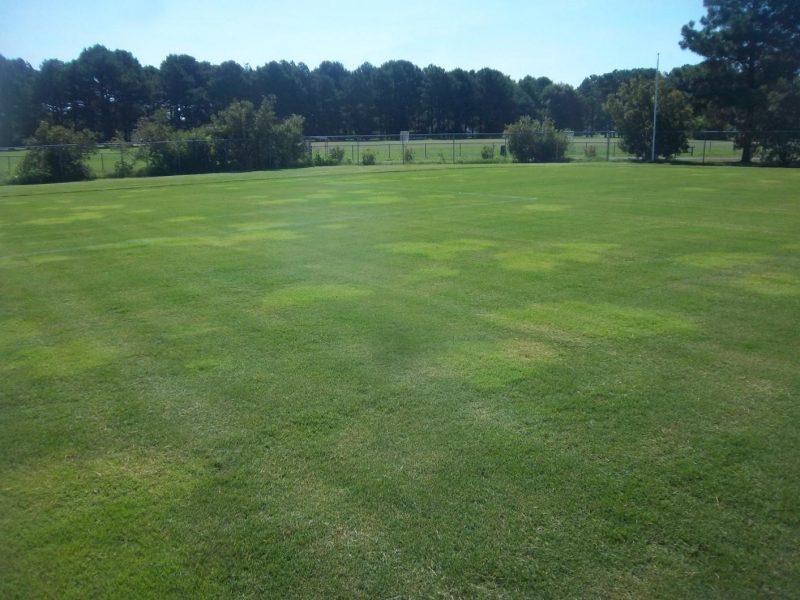

Selecting the right warm-season turfgrass influences surface durability, seasonal performance, and long-term maintenance demands. Professional environments such as golf courses, sports fields, parks, and institutional grounds operate under consistent traffic, variable climate conditions, and increasing pressure to manage water use efficiently.
Zoysia grass seed and Bermuda grass remain two widely used warm-season turf options. While both perform well in hot climates, they differ significantly in growth behaviour, recovery speed, maintenance intensity, and long-term performance. Understanding these differences supports more reliable turf planning and management decisions.
Professional Turf Performance Requirements
Unlike residential lawns, professional turf systems are designed for function and repeated use. Surfaces must withstand traffic, recover predictably, and remain consistent across seasons. Turf selection prioritizes wear tolerance, surface stability, and manageable maintenance rather than purely visual appeal.
Both zoysia and Bermuda grasses are suited to extended warm periods. However, their performance varies depending on application, use frequency, and available maintenance resources.
Growth Characteristics: Zoysia vs. Bermuda
Zoysia Grass Seed
Zoysia grass spreads via stolons and rhizomes, creating a dense, tightly interwoven turf structure. Once established, this growth habit supports strong surface stability and uniform coverage. The dense canopy limits surface disruption and reduces lateral movement under foot traffic.
Growth occurs at a moderate pace. This slower vertical growth reduces mowing frequency during peak seasons and supports consistent playing surfaces that prioritize firmness and control.
Bermuda Grass
Bermuda grass also spreads through stolons and rhizomes, but does so aggressively. Rapid lateral expansion allows it to recover quickly from divots, cleat damage, and concentrated wear. This makes Bermuda well-suited for high-impact environments.
Its canopy is more open than zoysia’s. While this encourages fast regeneration, it also requires ongoing management to maintain uniform density and surface consistency.
Establishment Speed and Early Use
Establishment timelines affect both project scheduling and the timing of when a surface can be put into service.
Zoysia grass seed typically establishes more slowly. Early growth prioritizes root development before visible surface density increases. Full coverage takes longer, but the result is a stable, resilient turf system with strong long-term performance.
Bermuda grass establishes quickly under favorable conditions. Whether seeded or installed vegetatively, it spreads rapidly across prepared surfaces. This faster coverage supports earlier use following construction or renovation.
Wear Tolerance and Traffic Recovery
Traffic intensity is a central factor in turf selection.
Zoysia grass offers strong wear resistance once established. Its dense structure distributes pressure evenly, limiting surface damage under moderate to high foot traffic. However, recovery from severe or localized damage is slower.
Bermuda grass excels in environments with continuous or heavy use. Its rapid regrowth allows damaged areas to recover quickly, making it suitable for fields with frequent events or extended playing seasons.
Water Use and Drought Response
Water efficiency is increasingly playing a role in turf management decisions.
Zoysia grass demonstrates strong drought tolerance once established. Deep root systems and dense growth reduce irrigation frequency while maintaining coverage during dry periods.
Bermuda grass tolerates drought but responds differently to it. Growth slows under moisture stress, and turf quality may decline without consistent irrigation. Adequate water supports both recovery and surface uniformity, particularly during heavy use.
Seasonal Performance and Dormancy
Seasonal behavior affects surface availability and appearance.
Zoysia grass enters dormancy earlier as temperatures cool. While colour fades, turf structure remains intact. Spring green-up occurs gradually as soil temperatures increase.
Bermuda grass maintains active growth later into warm seasons and typically greens up faster in spring. This quicker transition supports earlier seasonal use but may also increase early-season maintenance demands.
Making the Right Turf Choice
Choosing between zoysia grass seed and Bermuda grass requires balancing establishment timelines, traffic intensity, water availability, and maintenance capacity. Zoysia offers dense coverage, drought tolerance, and long-term surface stability. Bermuda provides rapid recovery and flexibility for high-impact environments.
Understanding these differences helps turf managers, planners, and facility operators select grass systems that align with performance expectations and resource availability.