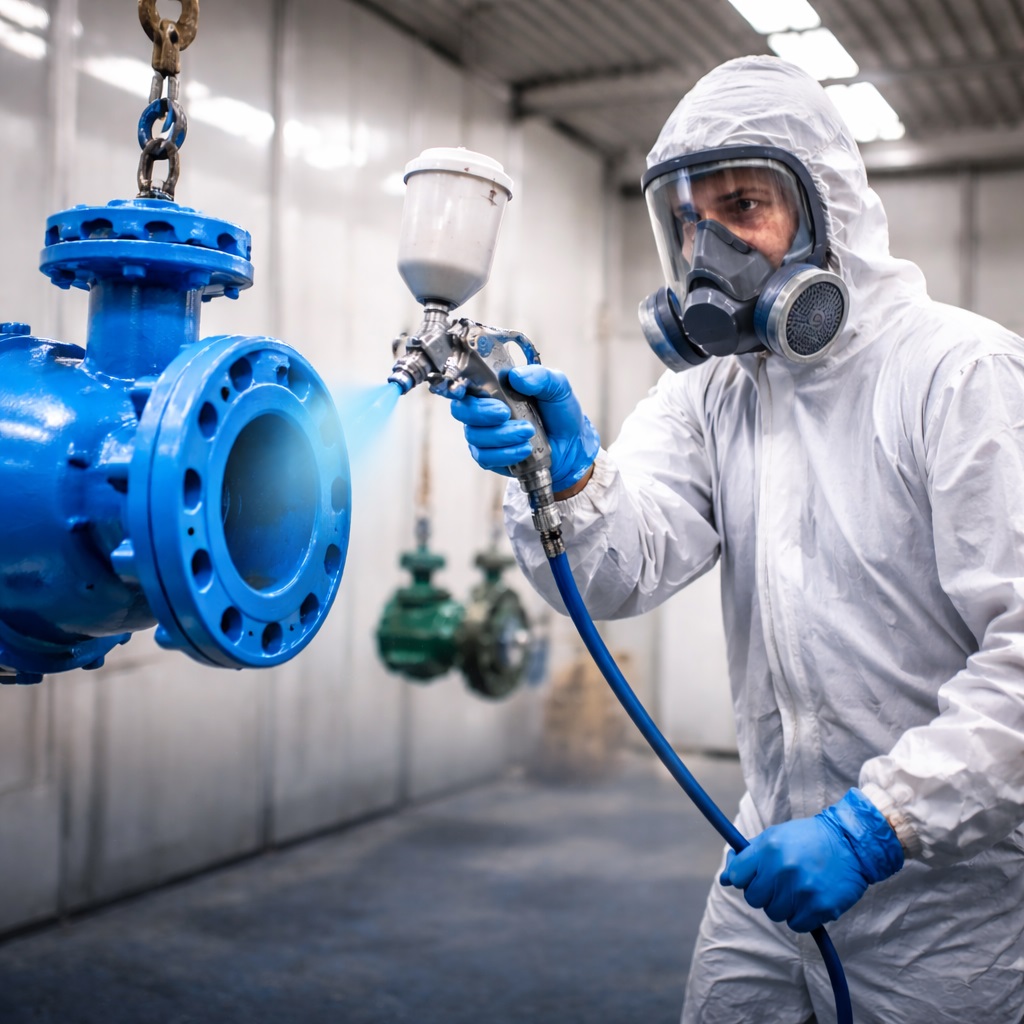

Warehouse safety depends heavily on the protective systems you choose for your facility. When evaluating options, facility managers often face a critical decision between traditional industrial painting and specialized intumescent fireproof coatings. Each solution serves distinct purposes, yet understanding their differences is essential for making informed decisions about your warehouse infrastructure.
What Makes Industrial Painting Essential for Warehouse Facilities?
Industrial painting provides the foundational protection that warehouses require for daily operations. This process involves applying high-performance coatings to walls, ceilings, floors, and structural elements. The primary goal is to protect surfaces from moisture, chemicals, corrosion, and physical wear.
Professional industrial painting contractors use specialized equipment and techniques suited for large-scale facilities. These applications create barriers against environmental damage while improving visibility and cleanliness. Many warehouses in Toronto rely on these services to maintain operational efficiency and extend the lifespan of their structures.
The process typically includes thorough surface preparation, primer application, and multiple coating layers. Each step ensures proper adhesion and long-term durability. Standard industrial coatings can last 5-15 years, depending on environmental conditions and maintenance practices.
How Do Intumescent Fireproof Coatings Protect Steel Structures?
Intumescent fireproof coatings serve a specialized safety function that standard paints cannot provide. When exposed to extreme heat, these coatings expand to form a thick insulating layer. This expansion protects structural steel from reaching critical failure temperatures during fires.
The chemistry behind these coatings is remarkable. They contain materials that react to heat by swelling up to 50 times their original thickness. This insulating char layer can maintain steel integrity for 60-120 minutes, providing crucial evacuation time and preventing catastrophic structural collapse.
Painting companies in Toronto increasingly recommend these coatings for warehouses storing flammable materials or high-value inventory. The investment provides peace of mind and potentially reduces insurance premiums. Fire marshals and building inspectors often require these applications in specific occupancy classifications.
Which Protection Level Does Your Warehouse Actually Need?
The answer depends on several critical factors specific to your facility. Building codes, occupancy type, and stored materials all influence requirements. Warehouses handling combustible goods face stricter regulations than those storing non-flammable products.
Consider these key factors when evaluating your needs:
Risk Assessment Considerations:
- Type and quantity of stored materials
- Building construction classification
- Proximity to other structures or residential areas
- Local fire code requirements
- Insurance policy specifications
- Employee capacity and shift schedules
Operational Impact Factors:
- Frequency of equipment contact with surfaces
- Chemical exposure from stored products
- Temperature and humidity fluctuations
- Vehicle traffic patterns and loading zones
Facilities with basic protection needs may find standard industrial painting sufficient. However, warehouses storing hazardous materials or operating in high-risk environments benefit significantly from intumescent fireproof coatings on structural elements.
What Are the Key Differences Between These Coating Systems?
Understanding the distinct characteristics helps warehouse managers make informed decisions. Here’s a comprehensive comparison of both protection methods:
| Feature | Industrial Painting | Intumescent Fireproof Coatings |
| Primary Purpose | Corrosion protection, aesthetics, chemical resistance | Passive fire protection for structural steel |
| Typical Lifespan | 5-15 years depending on conditions | 20-30+ years with proper maintenance |
| Application Areas | Walls, ceilings, floors, equipment, non-structural elements | Structural steel beams, columns, load-bearing members |
| Cost per Square Foot | $2-$8 (varies by coating type) | $8-$25 (varies by fire rating required) |
| Fire Protection Rating | None (standard coatings) | 30-180 minutes certified protection |
| Surface Preparation | Standard cleaning, degreasing, light abrasion | Strict cleanliness standards, specific profiles required |
| Application Complexity | Moderate – requires experienced crews | High – requires certified applicators |
| Maintenance Frequency | Touch-ups every 2-3 years, recoating every 7-10 years | Annual inspections, repairs as needed |
| Regulatory Requirements | General building codes | Strict fire code compliance, third-party certification |
| Weather Sensitivity | Moderate – temperature and humidity affect curing | High – narrow application windows required |
| Inspection Requirements | Visual assessment, spot checks | Certified inspector verification, documented thickness readings |
| Best Used For | Daily wear protection, environmental resistance | Life safety, structural integrity during fires |
Can You Combine Both Systems for Maximum Protection?
The most comprehensive approach involves the strategic use of both solutions. Many industrial painters recommend applying intumescent fireproof coatings to structural steel columns and beams. Standard industrial painting then covers walls, ceilings, and non-structural elements.
This layered strategy provides fire protection where it matters most while maintaining cost-effectiveness. The structural steel receives specialized fire-rated protection, ensuring the building framework remains stable during emergencies. Meanwhile, traditional coatings protect other surfaces from daily wear and environmental damage.
Painting contractors often execute these combined projects in phases. Structural fireproofing happens first, followed by general industrial painting work. This sequencing ensures proper application and inspection of each coating system.
What Performance Differences Should Warehouse Managers Expect?
Standard industrial painting excels at corrosion resistance, chemical protection, and aesthetic improvement. These coatings withstand forklift impacts, temperature variations, and cleaning chemicals. They’re designed for durability under normal operating conditions.
Intumescent fireproof coatings prioritize life safety over daily wear resistance. While they can be topcoated for appearance, their primary function is passive fire protection. These systems undergo rigorous testing to achieve specific fire-resistance ratings measured in hours.
Cost considerations differ significantly between options. Traditional industrial painting in Toronto typically costs less per square foot but requires more frequent reapplication. Intumescent systems carry higher initial costs but provide decades of fire protection with minimal maintenance.
Key Advantages of Industrial Painting:
- Protects against moisture, rust, and chemical exposure
- Improves facility appearance and lighting efficiency
- Easy to clean and maintain regularly
- Available in multiple colors for zoning and safety marking
- Quick application with minimal operational disruption
- Cost-effective for large surface areas
Key Advantages of Intumescent Fireproof Coatings:
- Provides certified fire-resistance ratings for structural steel
- Expands up to 50 times its thickness when exposed to heat
- Maintains building integrity during emergency evacuations
- Reduces insurance premiums in many cases
- Requires minimal maintenance over decades
- Meets strict fire code requirements for high-risk facilities
How Do Application Requirements Differ Between Coating Types?
Standard industrial painting requires clean, dry surfaces and appropriate weather conditions. Professional crews use airless sprayers, rollers, or brushes depending on the area. Most projects are completed within days or weeks based on facility size.
Intumescent fireproof coatings demand more stringent application protocols. Surface preparation must meet specific cleanliness standards. Environmental conditions during application affect curing and performance. Many products require certified applicators to maintain warranty coverage and code compliance.
Temperature and humidity windows are narrower for fireproof systems. Thickness measurements must meet exact specifications at every point. Independent inspectors often verify application quality before issuing compliance certificates.
What Maintenance Protocols Keep Your Investment Protected?
Industrial painting requires periodic inspection for chips, cracks, or corrosion. Touch-ups address minor damage before it spreads. Complete recoating becomes necessary when deterioration reaches significant levels across surface areas. Most facilities schedule major repainting at regular intervals based on usage intensity.
Intumescent fireproof coatings need regular visual inspections to check for damage or unauthorized modifications. Any mechanical damage requires immediate professional repair using approved materials. These systems maintain their fire rating only when intact and properly maintained.
Documentation is crucial for both systems. Industrial painting contractors should provide detailed records of products used, application dates, and coverage rates. Fire protection systems require third-party inspection reports and compliance certificates that remain with the building throughout its lifecycle.
How Should You Select the Right Contractor for Your Project?
Choosing qualified industrial painting contractors makes the difference between success and costly failures. Look for companies with extensive warehouse experience and verifiable references. Contractors should carry appropriate licensing, insurance, and safety certifications.
For fireproof coating applications, certification from coating manufacturers is essential. These credentials confirm proper training in application techniques and quality control procedures. Request documentation of previous fire-rated projects and inspection reports.
Essential Contractor Qualifications:
- Minimum 10 years experience in industrial facilities
- Valid business licensing and comprehensive liability insurance
- OSHA safety certifications and training documentation
- References from similar warehouse projects
- Manufacturer certifications for specialized coatings
- Written warranties covering workmanship and materials
Making the Right Choice for Your Warehouse Safety
The decision between industrial painting and intumescent fireproof coatings isn’t either-or for most facilities. Strategic application of both systems provides comprehensive protection tailored to your specific risks and requirements. Understanding each coating type’s strengths allows you to allocate resources effectively.
Start by conducting a thorough facility assessment with qualified professionals. Evaluate fire risks, structural needs, and regulatory requirements. This analysis reveals where specialized fire protection is mandatory and where standard industrial coatings suffice.
The right combination of protective systems safeguards your people, property, and business continuity. While initial costs vary, long-term value comes from choosing appropriate solutions for each application. Work with experienced industrial painters who understand both coating technologies and can recommend optimal strategies for your warehouse.
Ready to enhance your warehouse safety with professional coating solutions? Contact today for a comprehensive facility assessment and detailed estimate. Our certified team brings decades of specialized expertise in industrial painting and fireproof coating applications across Toronto and throughout Canada. Let us help you develop the right protection strategy for your critical industrial assets—experience the difference that true technical knowledge and quality craftsmanship deliver.